

Australian consumers face a harsh financial reality: power prices will likely continue climbing for the next decade. Consequently, this significant surge in energy costs directly ties to the massive investment required for the renewable energy rollout and associated infrastructure. Industry predictions, discussed by Sky News Australia, confirm this forecast.
Therefore, energy experts clearly agree: electricity bills will climb. They expect the climb to continue until builders fully construct and operate the new national transmission network. This network is often dubbed the “poles and wires” across the country.
Why Are Australian Power Prices Rising? The Cost of Renewable Energy Transition
First, we must pinpoint the primary driver of these price hikes to understand the current economic pressure:
-
Long-Term Price Hikes: An Australian Energy Council report suggests consumers could endure power bill increases for 10 years.
-
The Network Cost Factor: Furthermore, the significant network cost causes the main rise. Specifically, this involves building vast new transmission lines. These lines must connect large-scale renewable projects (like solar and wind farms) to the power grid. Ultimately, these massive infrastructure costs pass directly to Australian households via their electricity bills.
-
The 2030 Target Deadline: The government aims for an 83% renewables target by 2030. Thus, cost increases will likely continue until this ambitious rollout milestone occurs.
Government Strategy: Rebates and Honesty on Energy Costs
Next, the political discussion centers on transparency and consumer relief measures:
-
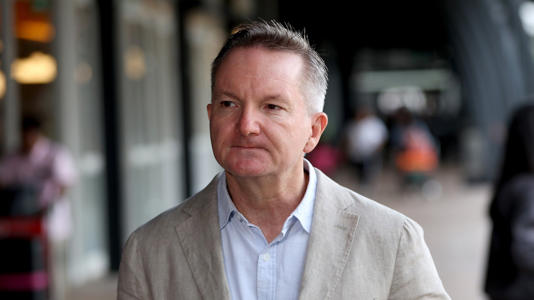
The Honesty Deficit: Analysts argue the government must demonstrate more honesty about the immediate financial pain the infrastructure rollout causes. For example, they dismissed previous claims of a $275 cut in power bills due to renewables. They found those claims unrealistic, given the current trajectory of rising costs.
-
Energy Rebates Debate: In addition, debate continues over whether the government will maintain energy rebates and subsidies. Experts warn that withdrawing these state subsidies could lead to further inflation. The argument for continuation is simple: this national transition requires government assistance to support consumers with their power bills.
Consumer Solutions: Solar Panels and Battery Storage
Finally, faced with climbing utility costs, many Australian households are increasingly finding ways to control their energy future:
-
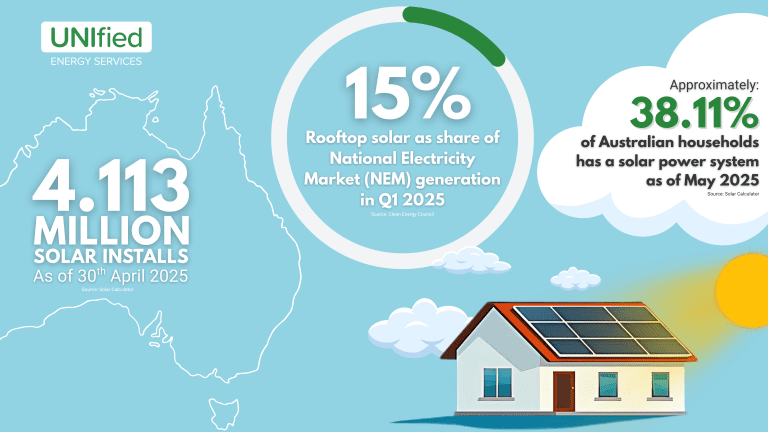
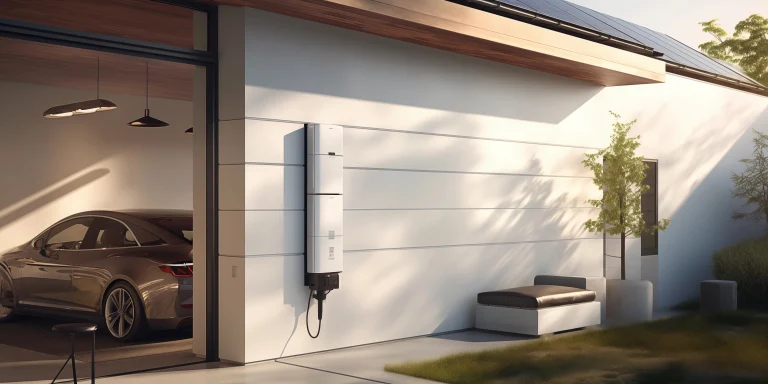
Solar Demand Increases: Consequently, consumers actively invest in solar panels and home battery storage. This action reduces their reliance on the grid.
-
Capital Cost Barrier: However, the high upfront investment remains the major challenge for most consumers. A full solar and battery package, for instance, costs approximately $20,000.
-
Investment Payback: Despite government rebates, the typical payback period for a system still runs between 7 to 10 years.
Why Choose UNIfied?
At UNIfied Energy, we’re committed to making your electrification journey seamless. We help Australian households and businesses:
- Reduce energy bills
- Lower carbon emissions
- Confidently invest in clean energy living
Contact UNIfied Energy today or call 1300 817 847 to achieve greater savings in these precarious times and start your journey of clean energy living.
Source: Sky News Australia